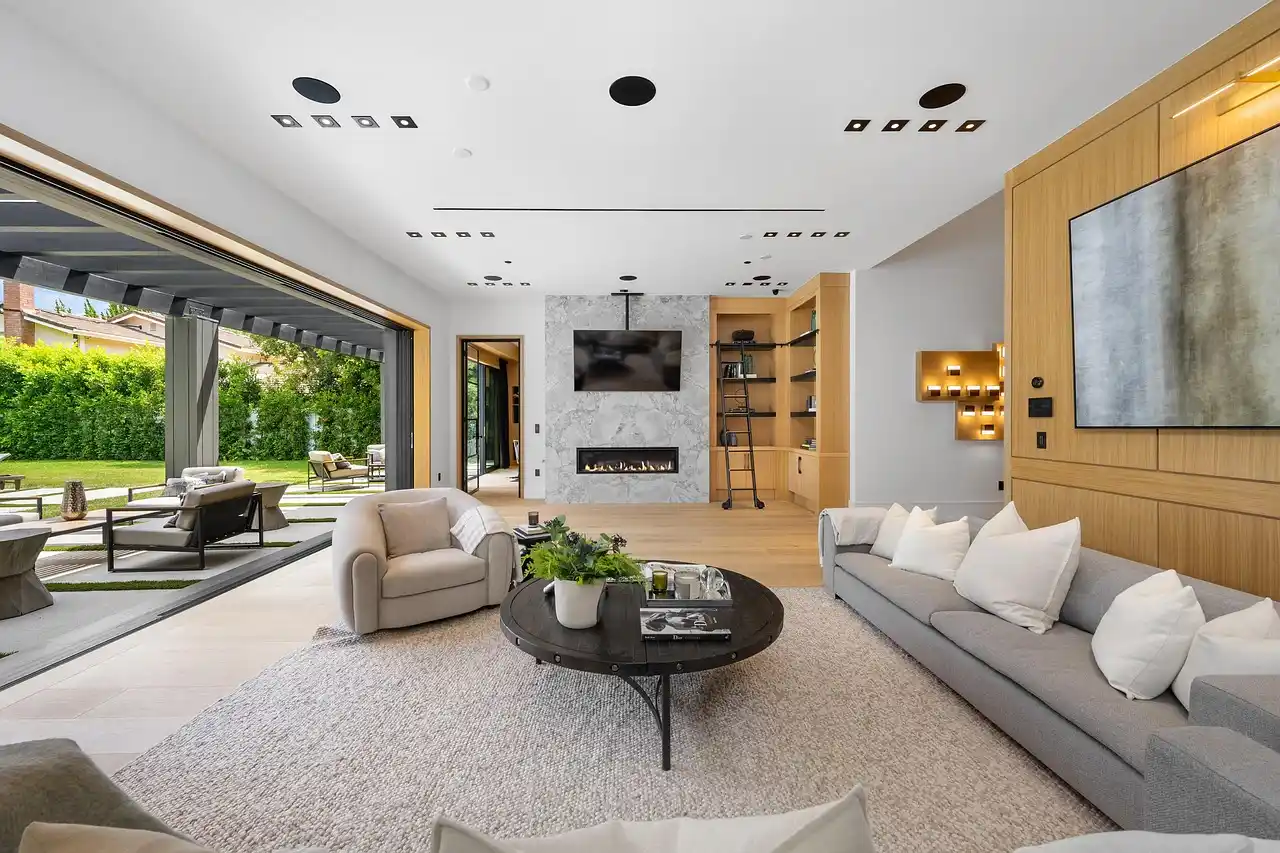
Home window tinting has evolved from a luxury upgrade to a practical, energy-saving improvement for modern homes. Whether you want to cut heat in the summer, protect furnishings from UV fading, or add daytime privacy, the right window film can deliver tangible results. This article covers what home window tinting involves, the major film types, installation considerations, and how to choose a trusted installer to ensure a durable, high-quality result that aligns with EEAT principles (experience, expertise, authority, and trust).
What is home window tinting?
Home window tinting refers to applying a thin film to interior glass surfaces. The film is designed to reduce solar heat gain, block UV radiation, minimize glare, and sometimes enhance privacy. Modern window films are designed to be durable, optically clear from the inside, and resistant to fading or bubbling. For homeowners, tinting can be a cost-effective step toward energy efficiency and interior protection without replacing existing windows.
Types of window films
Choosing the right film depends on goals, climate, and budget. Here are the most common types used in home window tinting:
Dyed film
Dyed films use a layer of dye to absorb heat and reduce glare. They are typically the most budget-friendly option and offer good privacy. However, they may be less resistant to fading over many years compared with higher-end options.
Metalized film
Metalized films combine multiple metallic layers to reflect a portion of solar energy. They excel at heat rejection and glare reduction but can interfere with wireless signals and may show noticeable reflectivity from the outside.
Ceramic film
Ceramic films are among the highest-quality options. They provide excellent heat rejection and UV protection without interfering with devices or communication signals. They stay clear over time and maintain true color, making them a popular choice for demanding homes.
Carbon film
Carbon films are known for natural color tones and strong heat rejection. They resist fading and offer good privacy without the metallic look of some other films. They’re a solid mid-to-high range option for many residences.
Hybrid film
Hybrid films blend dyed and metalized layers to balance heat rejection, glare control, and color stability. They can be a versatile choice when you want reasonable performance without the highest price tag.
Benefits of home window tinting
Investing in home window tinting yields several tangible advantages. These include improved energy efficiency, better UV protection for furnishings, reduced glare for screens and reading, enhanced privacy during daylight hours, and added safety features in the event of broken glass. When installed by a licensed professional, window tinting also contributes to long-term value and consistency with building codes and warranty considerations.
Choosing the right film
To select the best film for your home, consider the following:
- Your goals: heat reduction, UV protection, privacy, or glare control.
- south and west facing windows benefit from higher heat rejection.
- some films perform better on certain glass types; verify compatibility.
- opt for a film with the right tint level to preserve natural light and view.
- a certified installer ensures proper adhesion, avoids bubbles, and confirms warranty terms.
Installation considerations and maintenance
Proper installation is crucial for lasting results. A reputable installer will measure, clean, and debond air from between the film and glass, then apply the film with a squeegee and edge trim. Aftercare typically includes keeping the film dry for a few days and avoiding abrasive cleaners near the edges. For maintenance, use a mild, non-ammonia cleaner and soft cloth to prevent streaks and preserve clarity. Regular inspections for bubbling, peeling, or discoloration help catch issues early and protect your investment in home window tinting.
Cost, ROI, and selecting a professional
Costs for home window tinting vary by film type, window size, and installation complexity. Typical ranges are lower for dyed films and higher for ceramic or carbon options. While upfront costs vary, the ROI often comes from energy savings, reduced cooling loads, and protection against fading of furniture and floors. To maximize value, obtain multiple quotes from licensed installers, check references and certifications, and review warranty terms. A professional installer can help you choose a film that aligns with your climate, budget, and design preferences while ensuring proper application and longevity.
Comparison and summary
Below is a concise table summarizing common film types and their key performance aspects. This helps homeowners compare options at a glance before discussing specifics with an installer.
| Film Type | Typical Cost per Sq Ft | Heat Rejection | UV Protection | Glare Reduction | Best For | Notes |
|---|---|---|---|---|---|---|
| Dyed | $3–$6 | Moderate | Good | Moderate | Budget privacy | Color may fade over time |
| Metalized | $5–$9 | High | Good | High | Heat control, glare | Possible signal interference |
| Ceramic | $8–$12 | Very High | Excellent | Low to Moderate | Best overall performance | Premium option, no signal interference |
| Carbon | $7–$11 | High | Excellent | Moderate | Color stability, privacy | Natural tint without reflectivity |
| Hybrid | $6–$10 | Moderate to High | Good | Moderate | Balanced results | Versatile option |
When evaluating options, consider both the immediate aesthetic and the long-term performance. A trusted installer will provide documentation, warranty coverage, and aftercare guidance to ensure the film performs as advertised. By prioritizing quality, homeowners can achieve meaningful energy savings, better comfort, and durable value through home window tinting.
Conclusion, choosing the right film for home window tinting hinges on your climate, goals, and budget, together with a reliable professional installation. This approach ensures energy efficiency, UV protection, and privacy while preserving daylight and view, supported by ongoing maintenance and clear warranty terms.